

Unpaid tax from cryptocurrency transactions targeted
HMRC is writing to individuals who may need to pay tax on the disposal of cryptoassets such as Bitcoin. Why might tax be due and what should you do if you receive a letter?
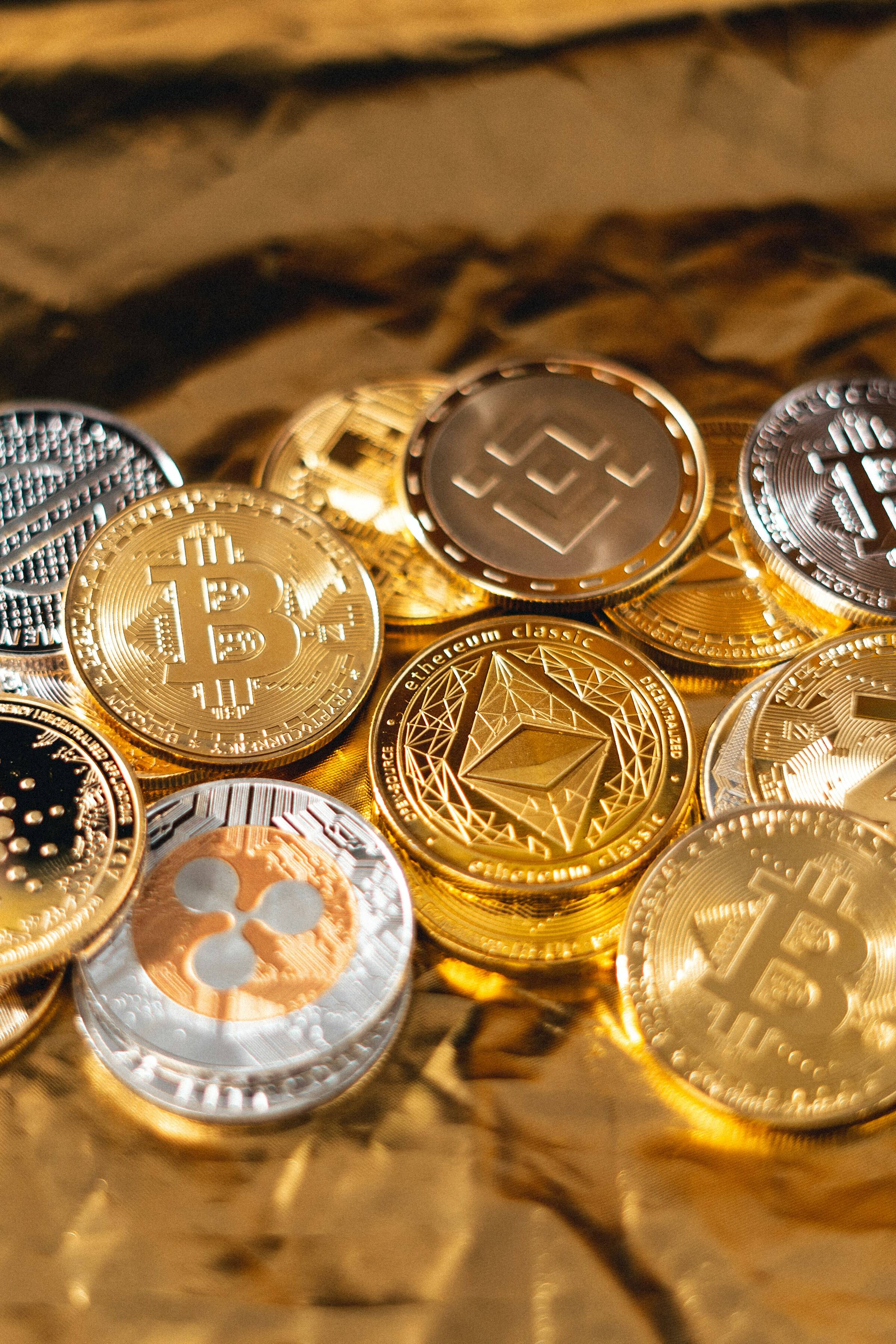
HMRC is currently writing to individuals who have disposed of cryptoassets because the tax treatment is widely misunderstood and therefore tax may have been underpaid.
Most will understand that tax may be due if there is a capital gain once cryptoassets have been sold for cash. However, each time a cryptoasset is disposed of a capital gain may be triggered. This would include the following events:
- using cryptocurrency to purchase goods or services
- exchanging one type of cryptoasset for another; or
- gifting cryptoassets.
In certain circumstances, income tax and NI may be payable. If you receive such a letter from HMRC, you must take action within 60 days even if no tax is due. If you submitted a tax return, the return should be amended where possible. If you did not submit a tax return, or the deadline has passed, you should use the dedicated disclosure service to inform HMRC.
Further guidance on taxable cryptoasset transactions can be found here.
Related Topics
-
September deadline to opt out of winter fuel payment
Pensioners whose income is over £35,000 have only days left to opt out of the 2026/27 Winter Fuel Payment and avoid having it recovered through the tax system. What do you need to know?
-
Electronic VAT return and payment due
-
Alternative education providers can protect VAT refund claims
HMRC has confirmed that some alternative providers of higher and further education can submit VAT refund claims following a Court of Appeal ruling, despite HMRC appealing the decision to the Supreme Court. What do you need to know?







 This website uses both its own and third-party cookies to analyze our services and navigation on our website in order to improve its contents (analytical purposes: measure visits and sources of web traffic). The legal basis is the consent of the user, except in the case of basic cookies, which are essential to navigate this website.